
Plastic
Thin-wall high-precision injection molding, over-molding and embedded FPCA over-molding — including 0.35 mm ultra-narrow-bezel thin-wall parts.
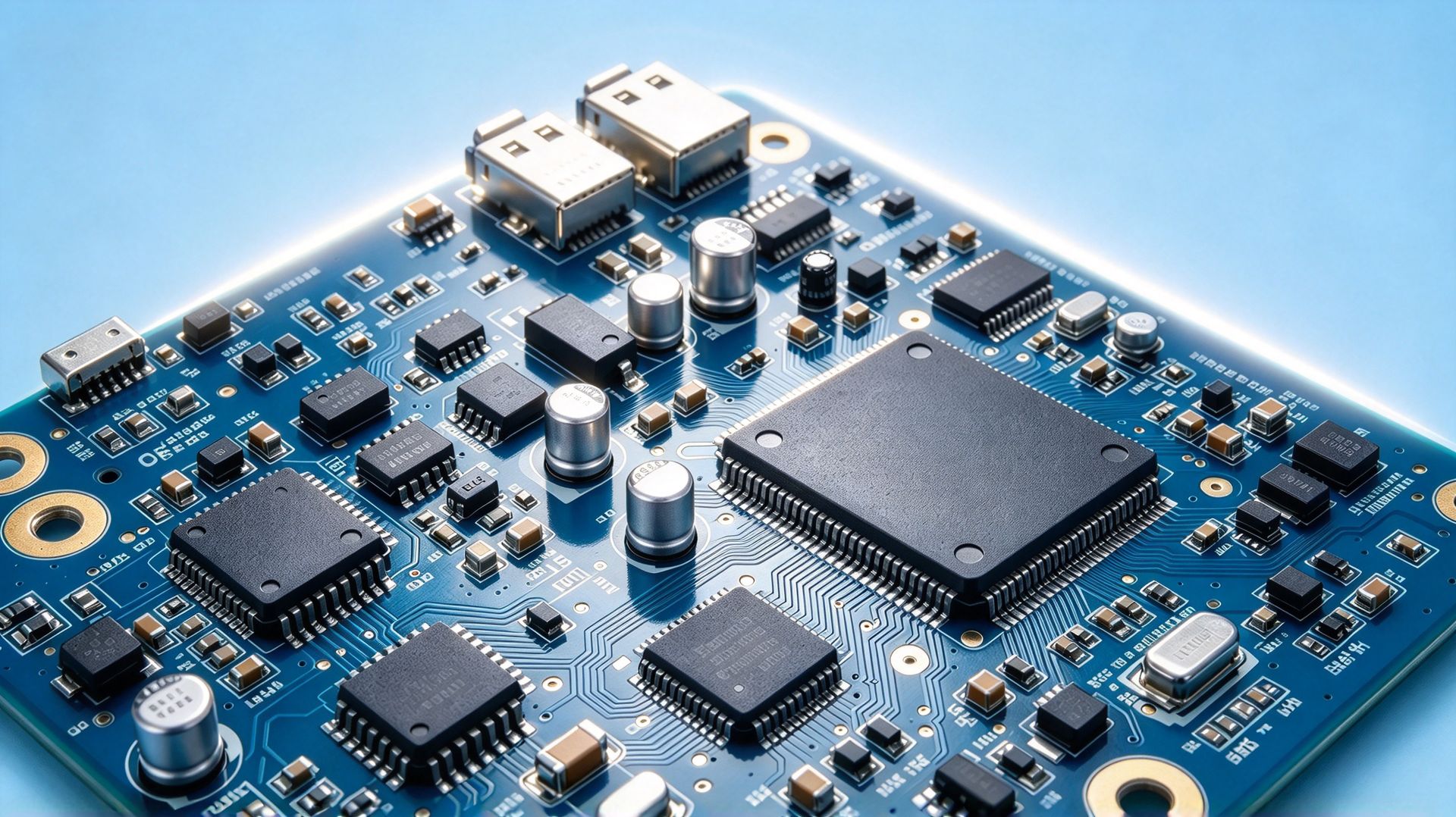
Electronic, electromechanical and mechanical expertise — mapped to technology roadmaps and the supply capabilities that make your BOM resilient.
Each category below shows the portfolio we cover, where the technology is heading, and the supply advantages we can unlock for you — localization, lead time, cost, and pin-to-pin alternatives.
Discrete, power, passive, sensors, ICs, RF, memory.
02 · 05 categoriesOptoelectronic, interconnect, acoustics, haptics & motors, PCB & FPC.
03 · 04 categoriesPlastic, metal, thermal & CDU, die-cut & packaging.
04 · 02 categoriesOptical communication and AI data-center processors.
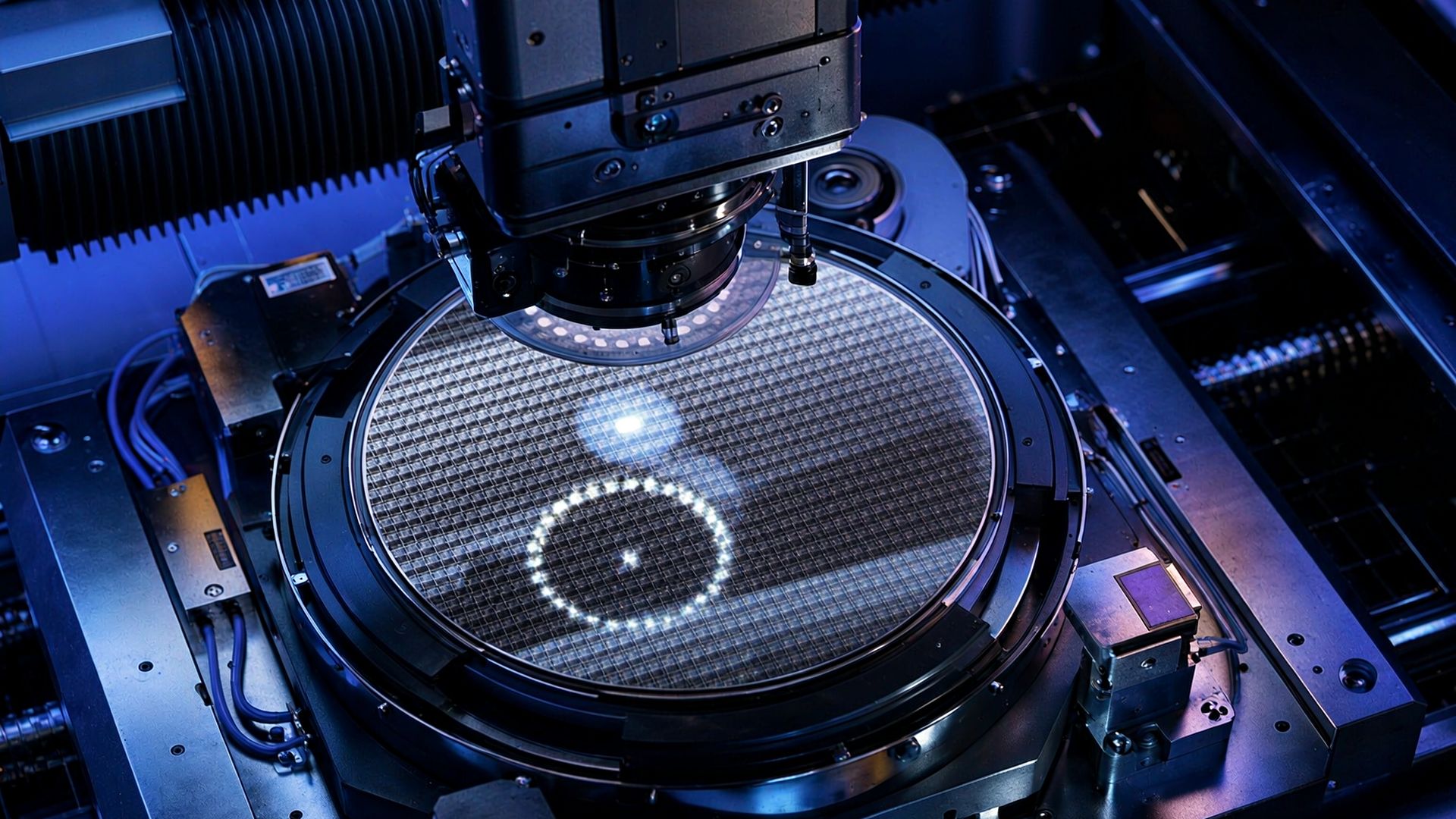
Discrete and power semiconductors, passives, multi-modal sensors, integrated circuits, RF front-ends and memory.
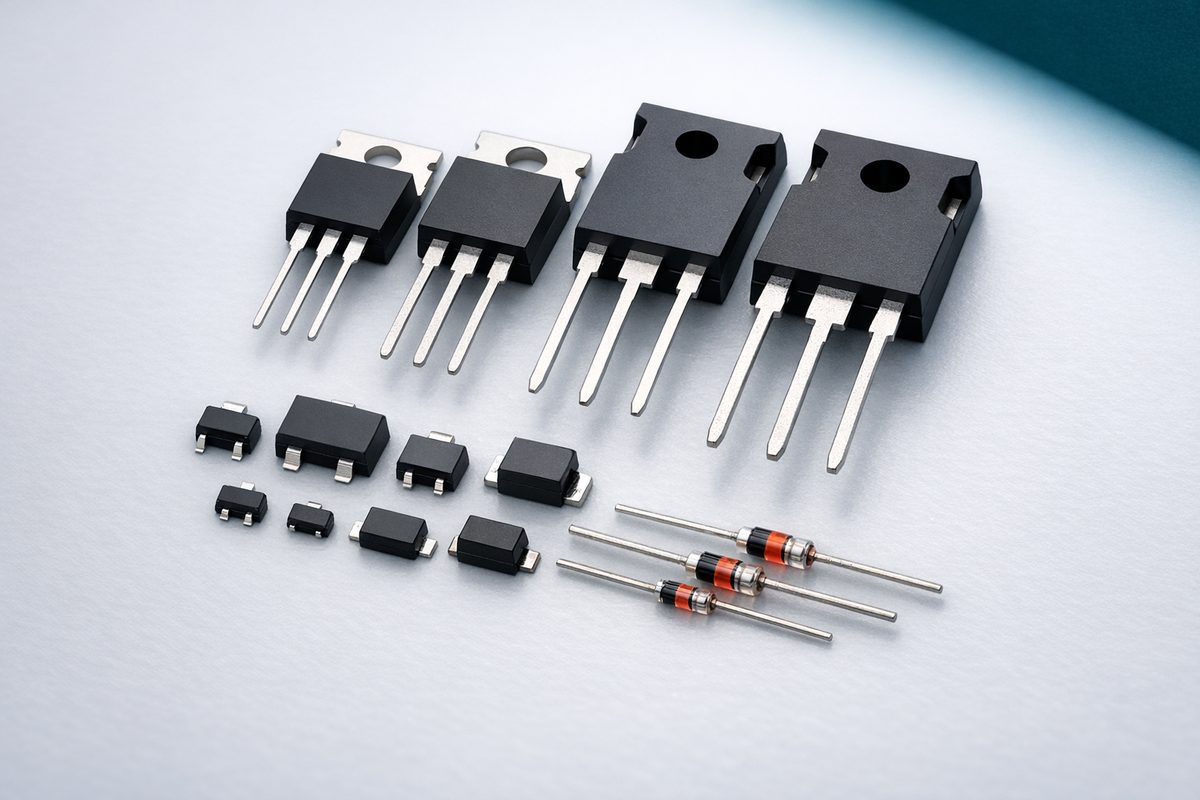
A comprehensive portfolio of transistors, thyristors and diodes delivering precise power switching, regulation and circuit protection for consumer electronics, EV, industrial and AI infrastructure.
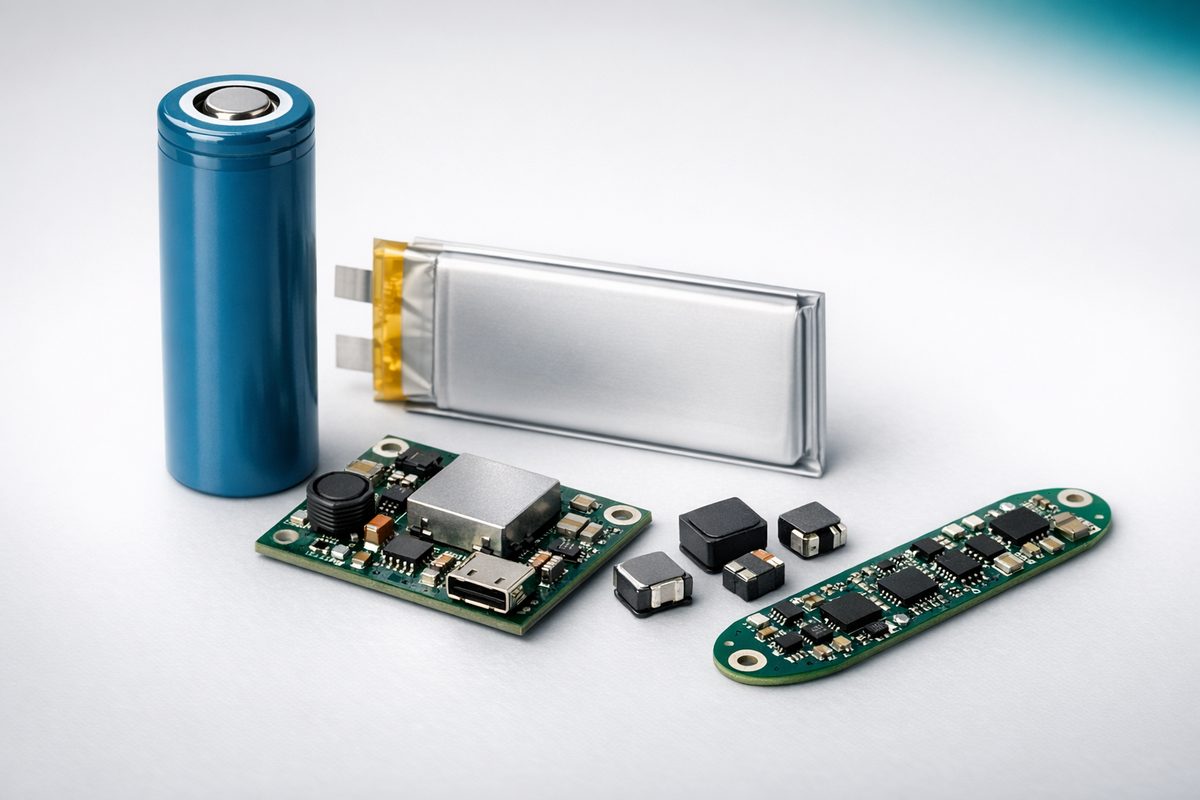
Highly integrated, digitally controlled, GaN/SiC-enabled power delivery, protection and isolation — from voltage conversion and BMS to multiphase controllers, PSUs, power banks and wireless charging.
A full-spectrum R, L, C and sensing lineup engineered for miniaturization, high-frequency stability and high-reliability power conversion — for consumer electronics, AI servers, smart grids, automotive and medical devices.
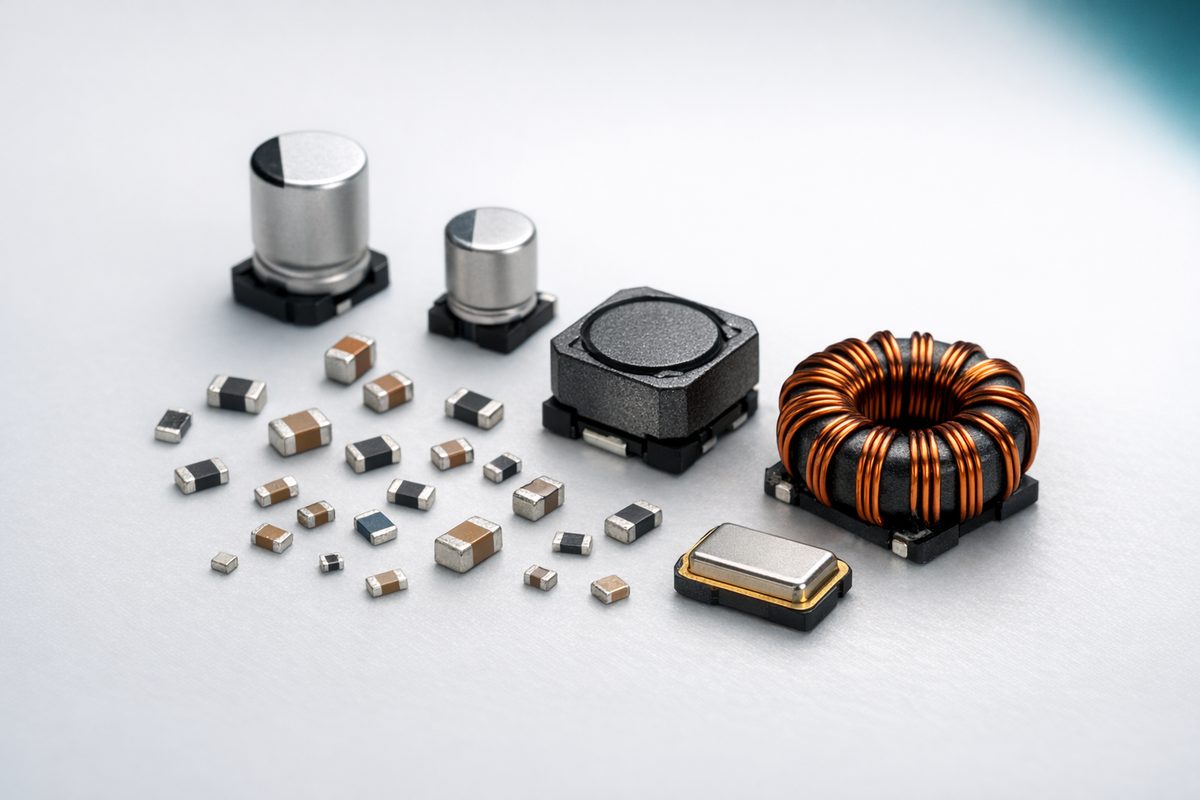
Automotive- and medical-grade reliability for EV battery packs, AI-server thermal management, industrial controls and medical devices.
Integrated powder–material–device capability supports 2–4 week lead times with cost-competitive pin-to-pin replacements.
Multi-modal perception: motion, tactile and contact interaction, optical, environmental, biometric, magnetic and flow — adopting multi-parameter integration, edge processing, MEMS miniaturization and embedded self-calibration.
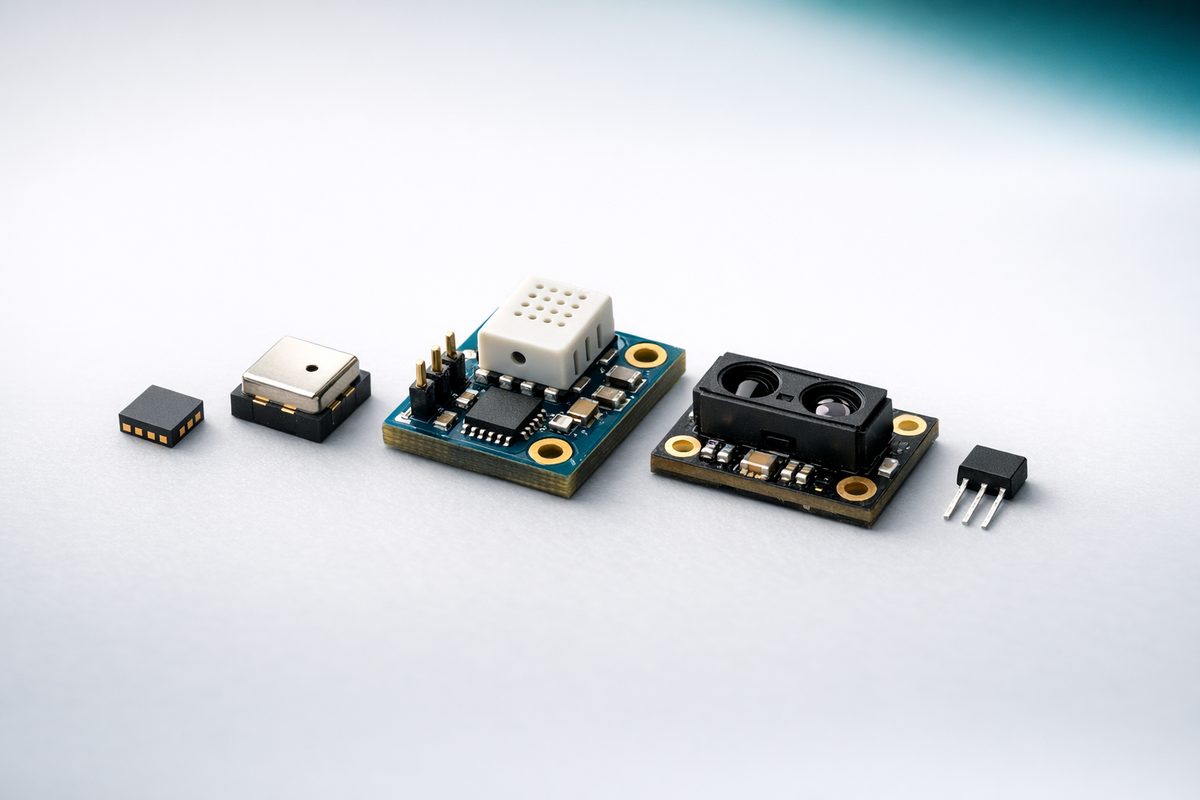
Analog, logic, interface, audio/video, driver, MCU, SoC, DSP, FPGA, security and timing ICs — converging toward heterogeneous, AI-ready, low-power, edge-oriented platforms.
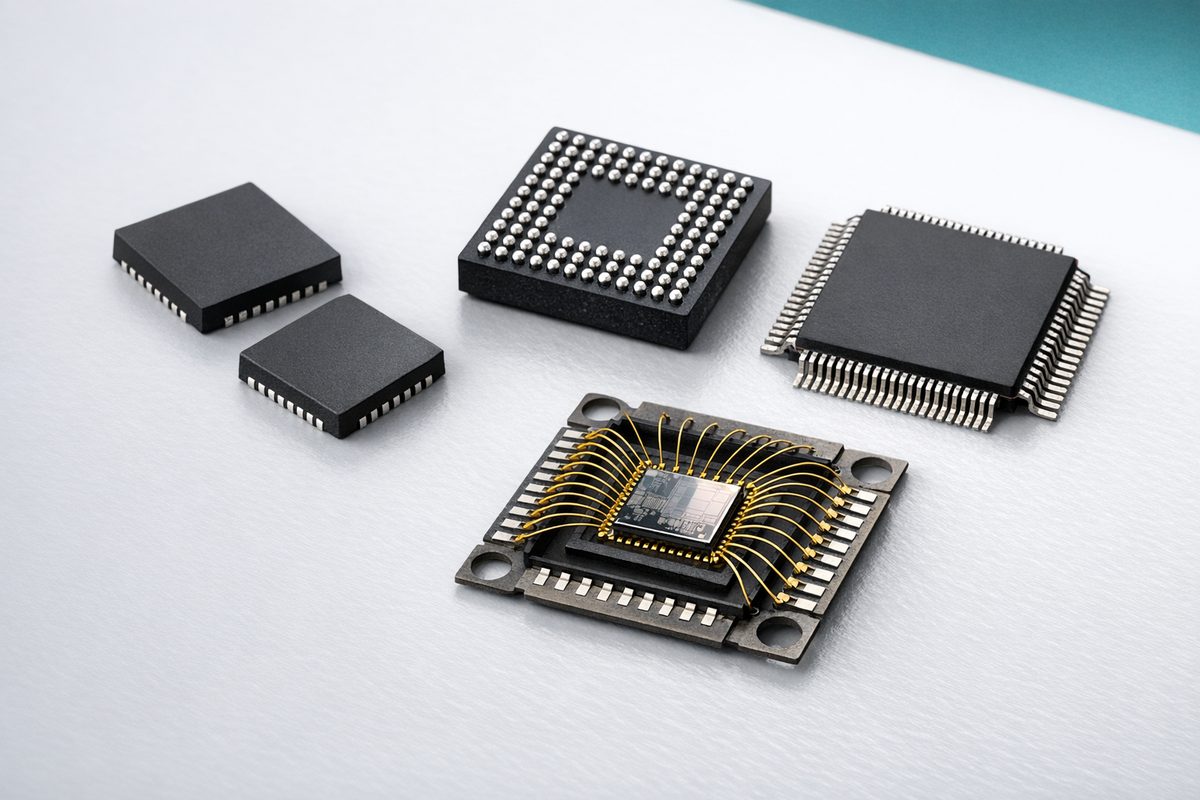
Connectivity FEMs, advanced RF filters and contactless identification enabling power amplification, precise filtering and secure near-field communication.
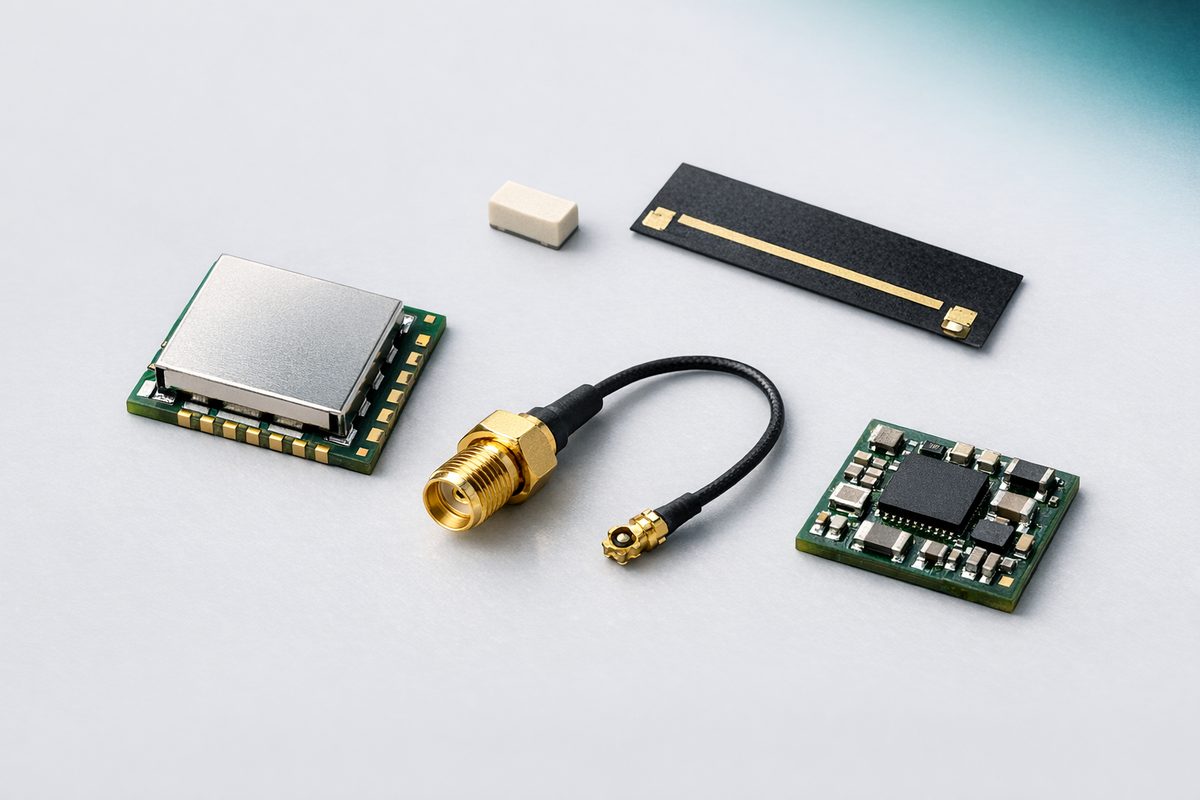
GaN/Si-based GaN PAs, mmWave/FR3/6 GHz readiness, intelligent adaptive tuning and integrated radar; toward higher-integration SiP/FEM modules and wider-band, higher-power BAW/SAW filters.
Band-pass and notch filters, duplexers and quadplexers; PCB/FPC, ceramic and LDS antennas. Cost-competitive SAW/TC-SAW, BAW/FBAR and ceramic antennas with localization in DAS, IoT and consumer RF.
Toward higher integration, wider bandwidth, lower loss and multi-protocol sensing, with large-scale commercial deployment.
A full portfolio spanning volatile DRAM/SRAM and non-volatile Flash/EEPROM — combining automotive-grade qualifications, niche-process strengths and a controller–module ecosystem for consumer, automotive, industrial and AI.
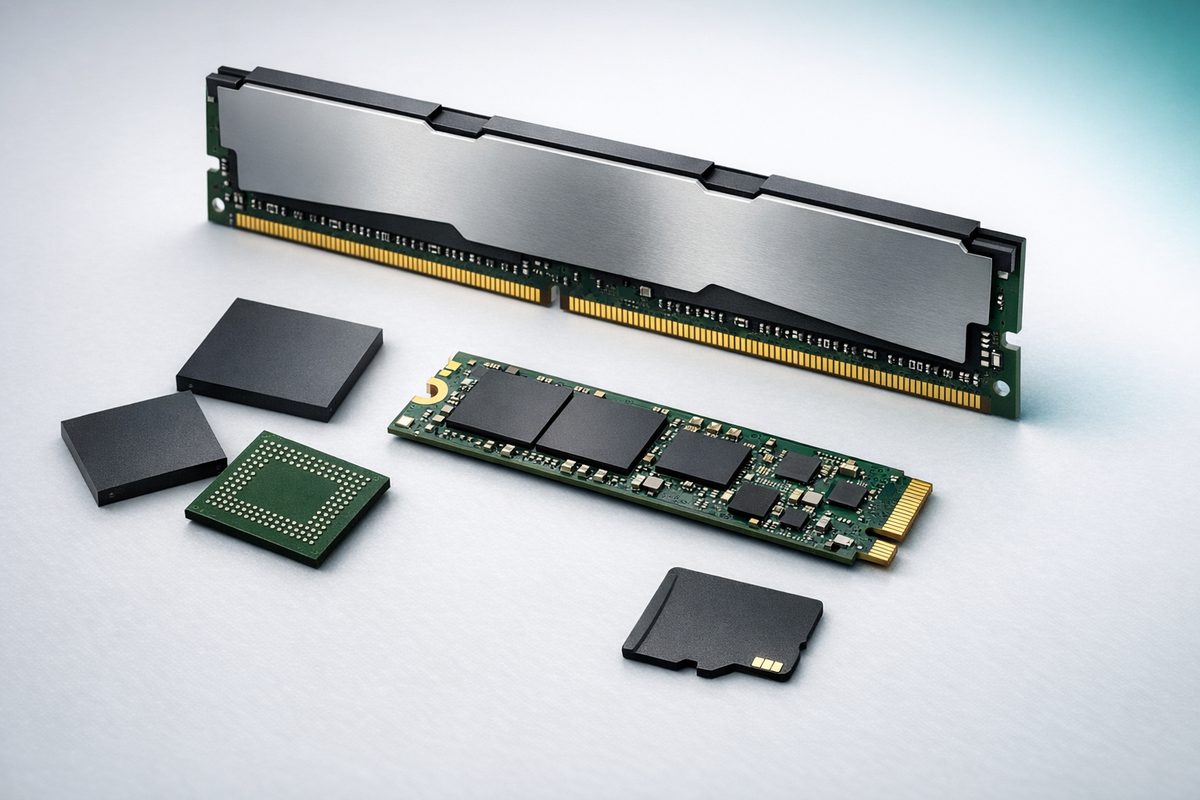
Surging AI compute demand is pushing memory toward higher bandwidth and density; HBM and 3D NAND stacking are critical to overcoming performance bottlenecks.
DRAM/LPDDR in FBGA; HBM as TSV stacks on silicon interposers; DDR5 DIMMs; NAND in BGA/FBGA; NOR and EEPROM in SOIC-8, TSSOP-8, DFN-8/UDFN-8 and SOT-23-5.
A controller–module ecosystem backed by YMTC's 3D NAND and niche NOR/SLC strengths is accelerating localization.
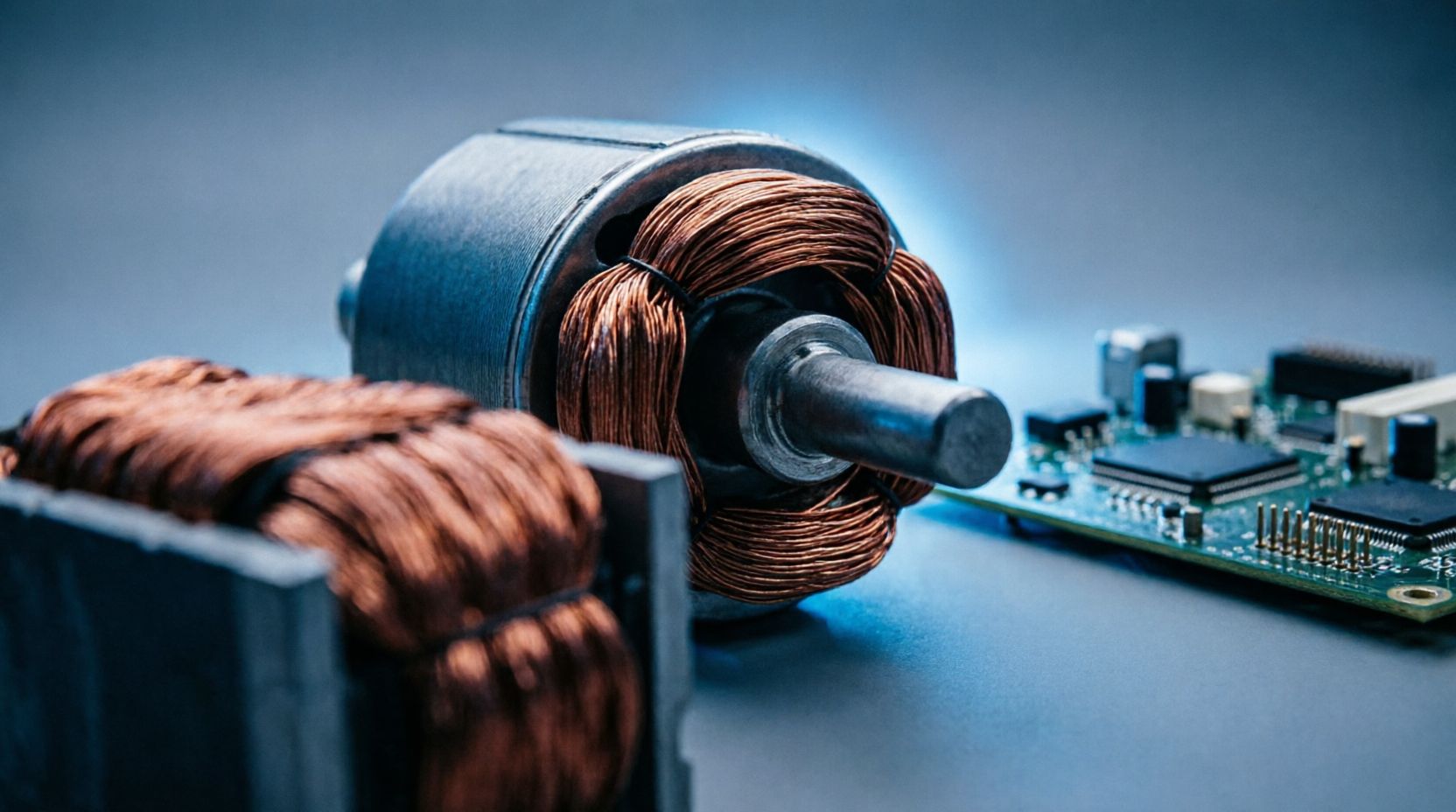
Optoelectronics, interconnect, acoustics, haptics and precision motion, and PCB/FPC — customization, localized capacity and application engineering.
Traditional LEDs, MicroLED, ToF, VCSEL and precision optics — converging toward integrated sensing, computing, communication and display.
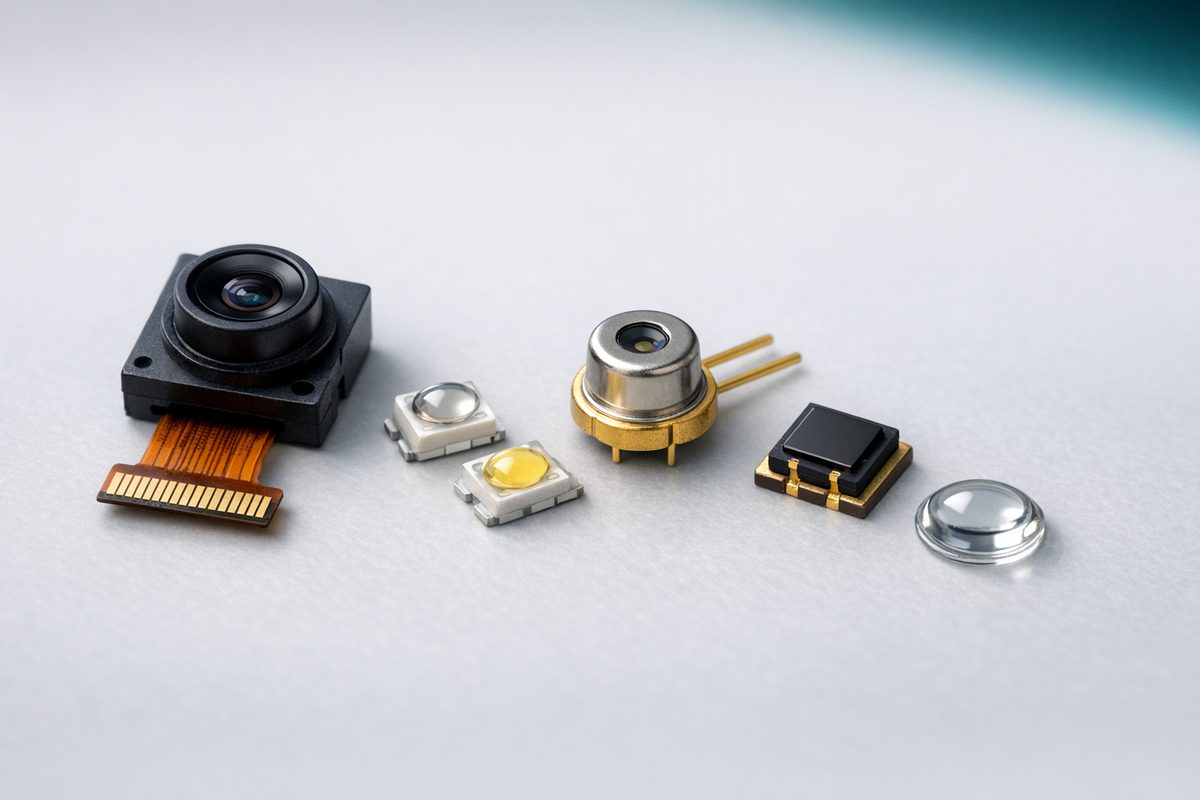
VCSEL/SPAD for sensing, silicon photonics/CPO for transmission, MicroLED for display, and optoelectronic heterogeneous integration with processing-in-memory — toward an ultra-high-speed, low-power all-optical AI ecosystem. The local supply chain spans materials, equipment and end applications, backed by the world's largest downstream market.
Board-to-board, wire-to-board, pogo pin, USB, AV, RF coaxial, fiber-optic and high-speed copper — up to 224 Gbps PAM4 for AI terminals, 5G/6G, smart vehicles and data centers.
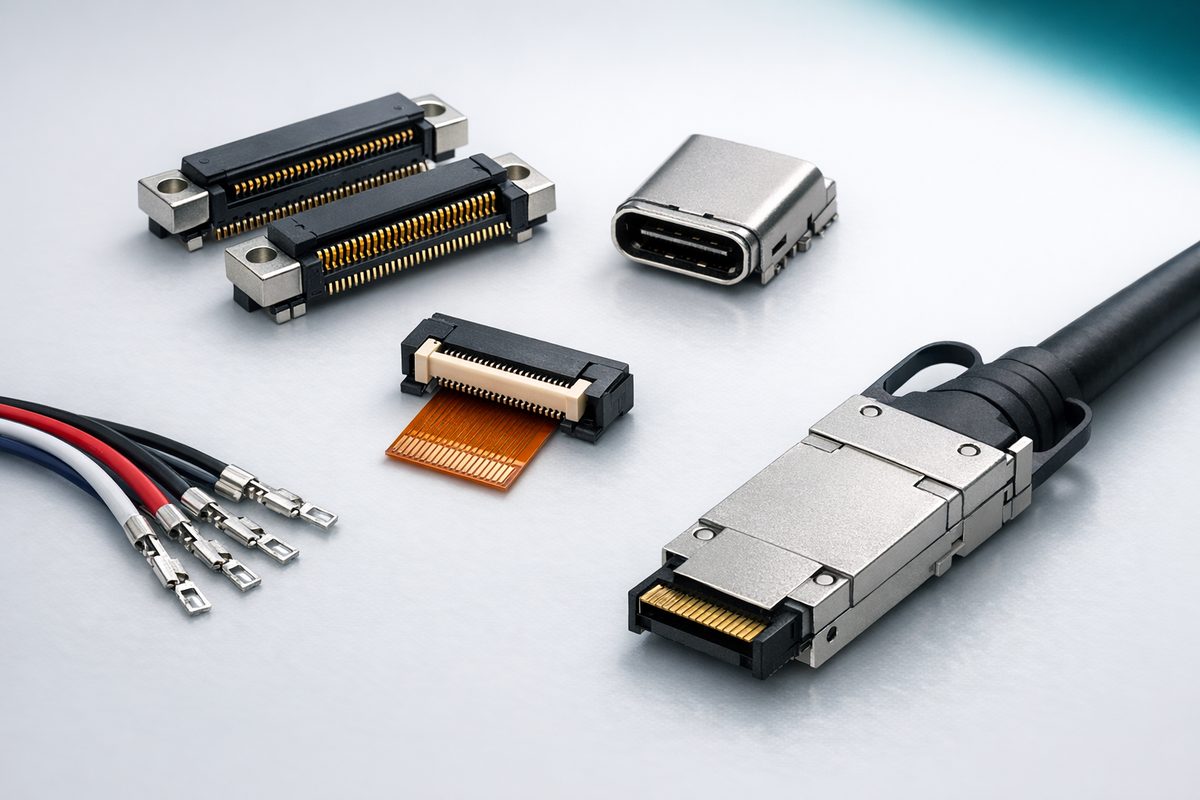
| Type | Where it sits | Representative products |
|---|---|---|
| Fiber-optic connectors | Line side of the transceiver; fiber links from intra-rack to long-haul. | LC (compact duplex, used with MPO via patch panels and cassettes); MPO/MTP (backbone of parallel optics and structured cabling); VSFF such as SN-MT and MMC (3× MPO fiber density); SC, FC, MU. |
| High-speed I/O (electrical) | Host side of the transceiver; short direct-attach links between servers and switches in the same rack, with DAC, AEC and AOC cable assemblies. | 10–25G: SFP, SFP+, SFP28 · 100–400G: QSFP+, QSFP28, QSFP56, QSFP-DD, QSFP112, CFP · 800G–1.6T: OSFP, OSFP-XD, QSFP-DD, CDFP. QSFP-DD: 8 lanes × 112 Gbps PAM4, up to 800 Gbps per port. OSFP: up to 224 Gbps per lane, 1.6 Tbps aggregate. |
| Internal high-speed copper | Board-to-board, board-to-cable and near-ASIC links inside servers, switches and AI systems, carrying PCIe, Ethernet, SAS and CXL lanes. | Mezzanine (e.g. GPU accelerator cards or SSDs to motherboards); backplane with high-density multi-row differential pins (motherboard to line cards, GPU boards to switch boards); PCIe, SlimSAS, Mini-SAS HD. |
Amphenol, TE Connectivity and Molex together hold roughly 80% of the global high-speed connector market and lead standard-setting and high-end customization. Chinese suppliers are gaining traction in MPO fiber connectors, copper cable assemblies and backplane connectors.
Buzzers, speakers and microphones delivering complementary solutions across alert tones, audio output and haptic feedback.
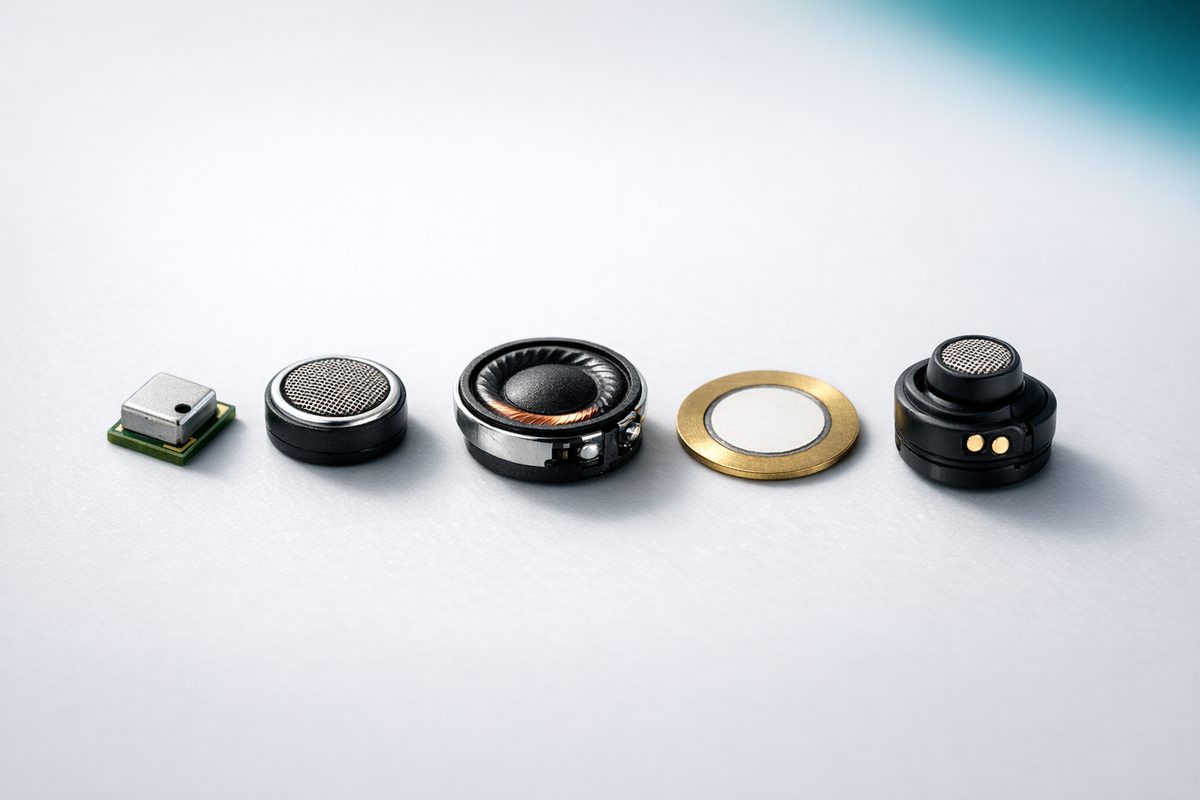
From compact SMD to THD, multi-spec availability with low-power, high-reliability design.
Ultra-thin, high-SPL micro speakers with advanced diaphragm materials, smart audio integration and multi-size, multi-power options.
Ultra-thin miniaturization, MEMS solid-state speakers, high-SNR multi-mic arrays and integrated hardware/software noise reduction, growing in automotive, IoT, smartphone and wearable applications.
Precision motors, vibrators, haptic actuators and fluid & pneumatic control — compact design, high-precision actuation and scalable manufacturing for motion, tactile and fluid applications.
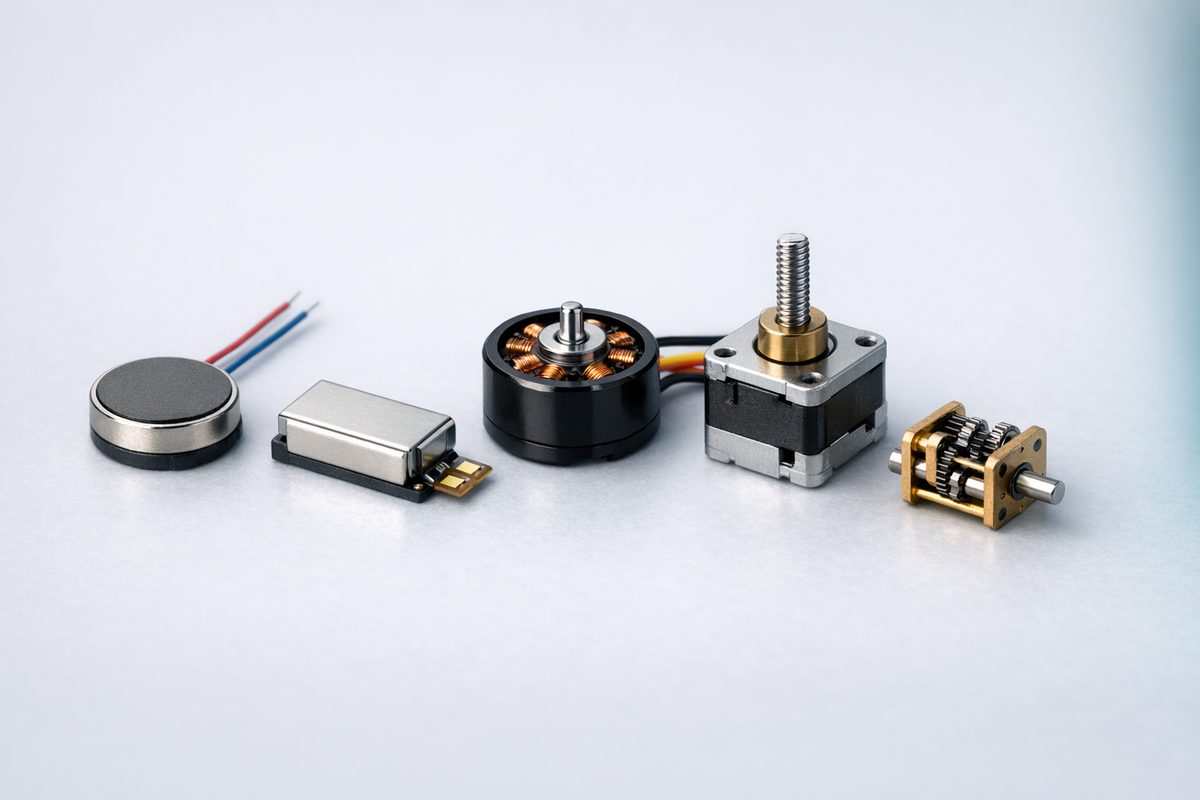
Compact SMD-to-THD portfolio — bar, coin, Z-axis and X/Y-axis — with multi-size and multi-force options for alert, touch and immersive feedback.
Multi-size, speed and torque options with low-power, high-reliability design for precise positioning and actuation.
Diaphragm, peristaltic and valveless metering pumps, proportional valves, rotary solenoids and manifolds for reagent handling, sample aspiration, waste removal and pressure control — a localized alternative to SMC, Parker, KNF, Thomas, IDEX and IMI, moving toward miniaturization, integration and intelligence.
Standard, HDI, rigid-flex, FPC, RF, high-speed and backplane PCBs with controlled impedance, low-loss materials and high-reliability interconnects.
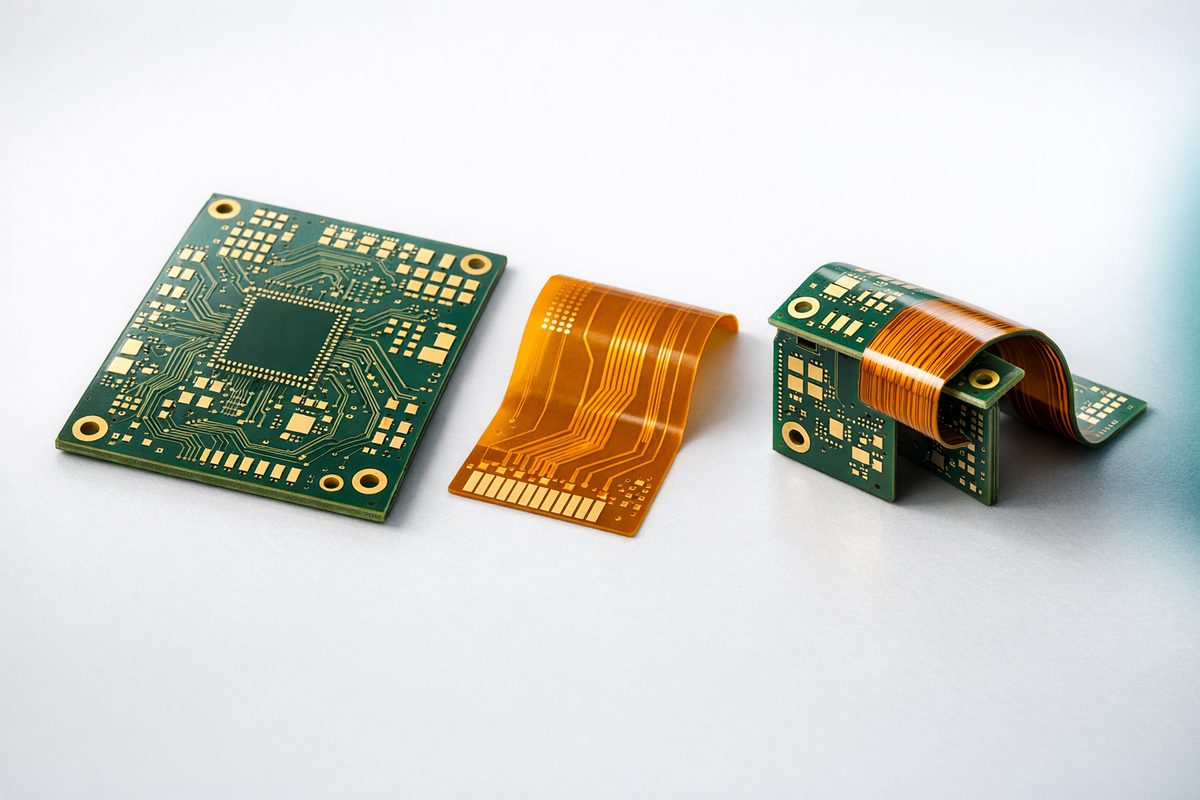
Agile NPI and fast delivery of HDI, rigid and rigid-flex boards for compact, high-reliability assemblies.
High-density, high-frequency, high-speed PCBs for 5G, communications, AI computing and industrial — telecom/networking backplanes and server/storage backplane assemblies.
Scale, cost, dense supplier ecosystems and fast ramp-up, with growing capability in HDI and high-layer-count boards.
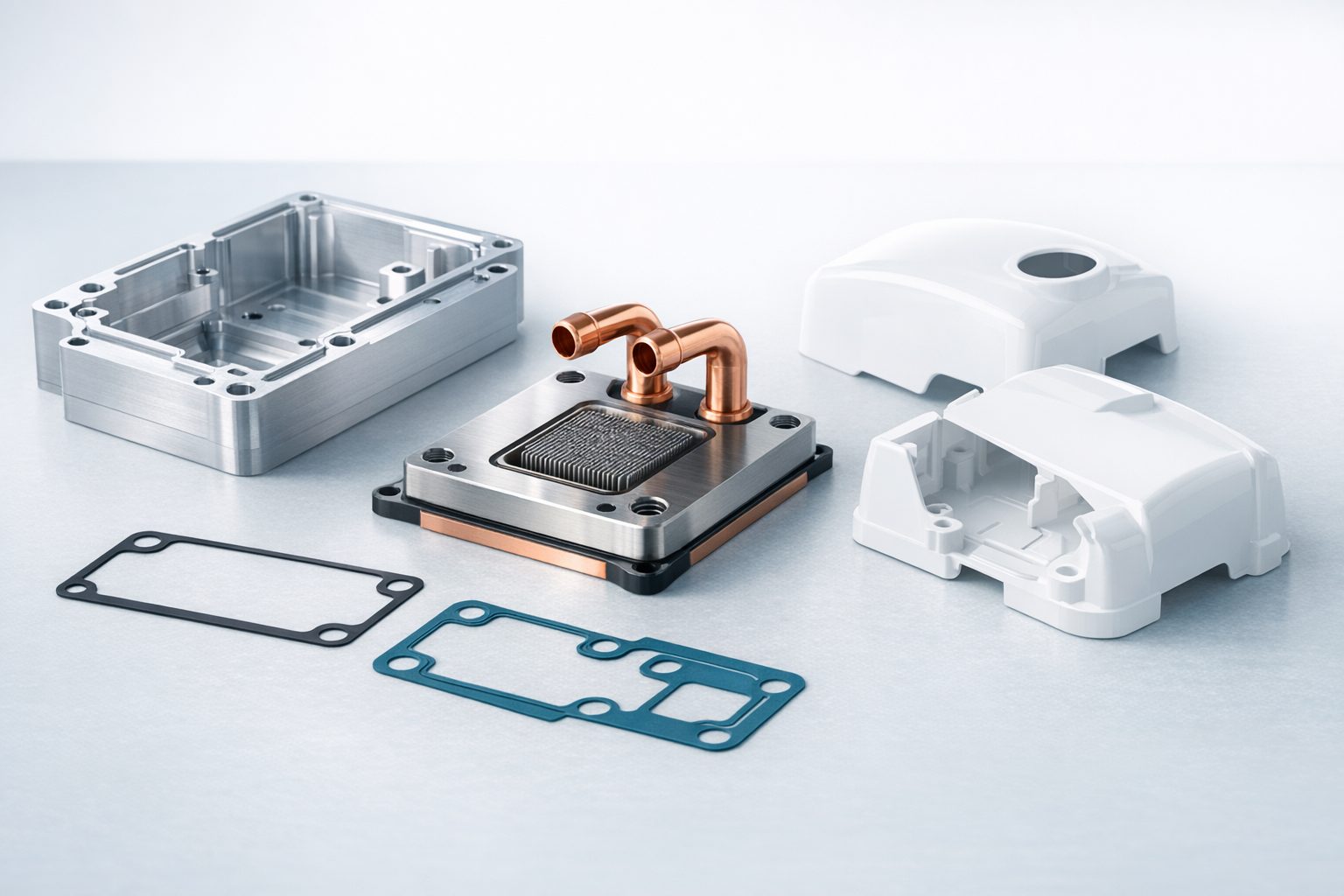
Plastic, metal, thermal & CDU, die-cut and packaging — with proven precision-process control from tooling to mass production.
Thin-wall high-precision injection molding, over-molding and embedded FPCA over-molding — including 0.35 mm ultra-narrow-bezel thin-wall parts.
Micron-level precision machining and surface treatments, magnesium thixomolding, MIM, precision molding of light and liquid metals.
Cooling modules, cold plates and coolant distribution for high-density AI hardware — liquid and immersion cooling.
Die-cut components and packaging solutions supporting final assembly, test and shipment.
Original design manufacturing partners for full product development.
Standard and modular tooling design for ultra-fast execution.
Board assembly and contract manufacturing at scale.
Final assembly, testing and packaging.
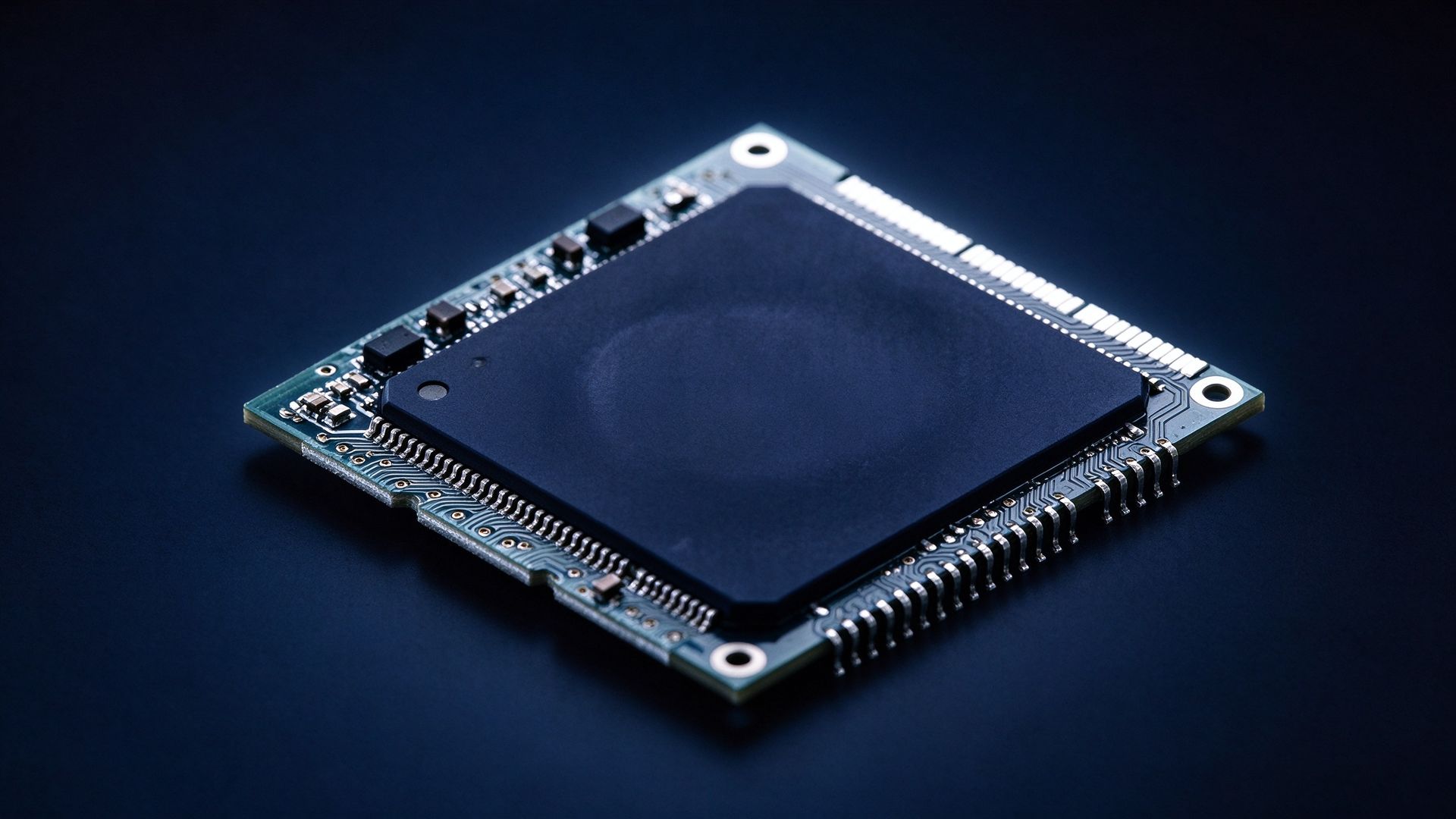
Optical communication and AI data-center processors — driven by the AI compute boom toward 1.6T/3.2T optics and heterogeneous compute.
An end-to-end chain — switch SerDes, optical transmitter, fiber link, optical receiver. Value is concentrated upstream in materials, high-speed optical chips and advanced packaging.
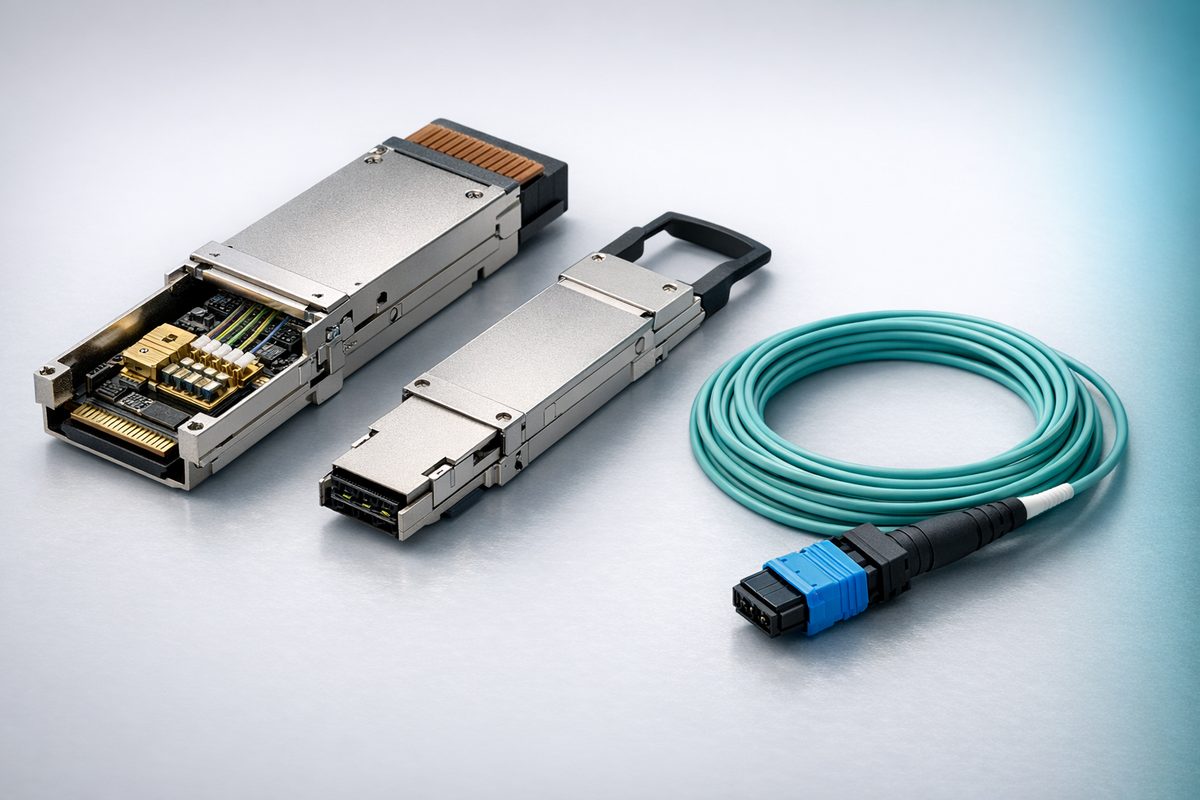
Driven by the AI compute boom, optical modules are iterating toward 1.6T/3.2T and accelerating toward CPO and OCS. Value is concentrated upstream in core materials (InP, TFLN substrates), high-speed optical chips and advanced packaging equipment. Chinese firms lead in midstream module packaging, system integration and fiber/cable manufacturing; foreign suppliers dominate high-end optical chips, DSPs, high-speed connectors and core materials.
| Substrate | Role | Key suppliers | Status & bottleneck |
|---|---|---|---|
| Indium phosphide (InP) | Substrates for InP lasers (DFB/EML) and photodetectors (PIN/APD); indispensable for high-speed optical chips. | Sumitomo Electric, AXT, JX Metals, GRINM, Dingtai Xinyuan; Yunnan Germanium past 6-inch, moving to 8-inch. | Moving to larger wafers and domestic substitution; raw-material purification and epitaxy remain bottlenecks. |
| High-purity red phosphorus | Key raw material for InP crystal growth. | RASA, NCI, RedPhos; Wylton Jinglin, AMC, Xingfa Group. | Purification led by Japan and Germany; 7N mass production and ppb-level impurity breakthroughs. |
| Silicon / SOI (SiPh) | Substrate for integrated modulators, photodetectors and CPO optical engines; CMOS-compatible. | Shin-Etsu, SUMCO, Soitec, Siltronic, Okmetic, Simgui. | 800G/1.6T share rising; bottlenecks in SOI substrates and silicon lithography. |
| Thin-film lithium niobate (TFLN) | LiNbO₃ substrate for modulators; ultra-low power and high bandwidth for 3.2T and CPO. | Fujitsu, Liobate, AFR, Jinan Jingzheng, TDG Holding. | Modulators in mass supply with a significant global position. |
| Gallium arsenide (GaAs) | Substrate for VCSEL laser chips; supports 5G/6G RF and short-reach VCSEL. | Freiberger, Sumitomo, IQE; China Crystech, Sanan. | Moving to larger wafers; high-end MOCVD epitaxy equipment is the bottleneck. |
An optical transceiver combines a TOSA, a ROSA and electrical chips (drivers, amplifiers, DSP). On transmit, driver chips modulate lasers (VCSEL, DFB, EML) to convert electrical signals into light; on receive, photodetectors convert light into current, which a transimpedance amplifier (TIA) restores to an electrical signal.
| Architecture | How it works | Where it is used | Status |
|---|---|---|---|
| DSP pluggable | InP EML or VCSEL lasers plus DSP; mature and reliable. | Long-haul, coherent and general data-center interconnect. | OSFP and QSFP-DD dominate; 800G and 1.6T in large-scale deployment. |
| Silicon photonics / NPO | Optical devices integrated on silicon with CMOS processes, cutting cost and power. | On-board transceivers and near-package optics for short-reach links. | Large-scale deployment; a key path to 3.2T. |
| CPO | Optical engine co-packaged with the switch ASIC; shorter electrical path, over 40% less power. | Ultra-large AI clusters; latency- and power-sensitive scenarios. | Seen as the direction beyond 6.4T. |
| LPO | Linear-drive pluggable optics remove the DSP to cut power and latency. | Short-reach data-center links. | Volume supply achieved. |
CPUs, GPUs and NPUs evolving toward heterogeneous "CPU + GPU + NPU" architectures — plus DPUs, network processors, PowerPC and TPUs for data-center and embedded workloads.
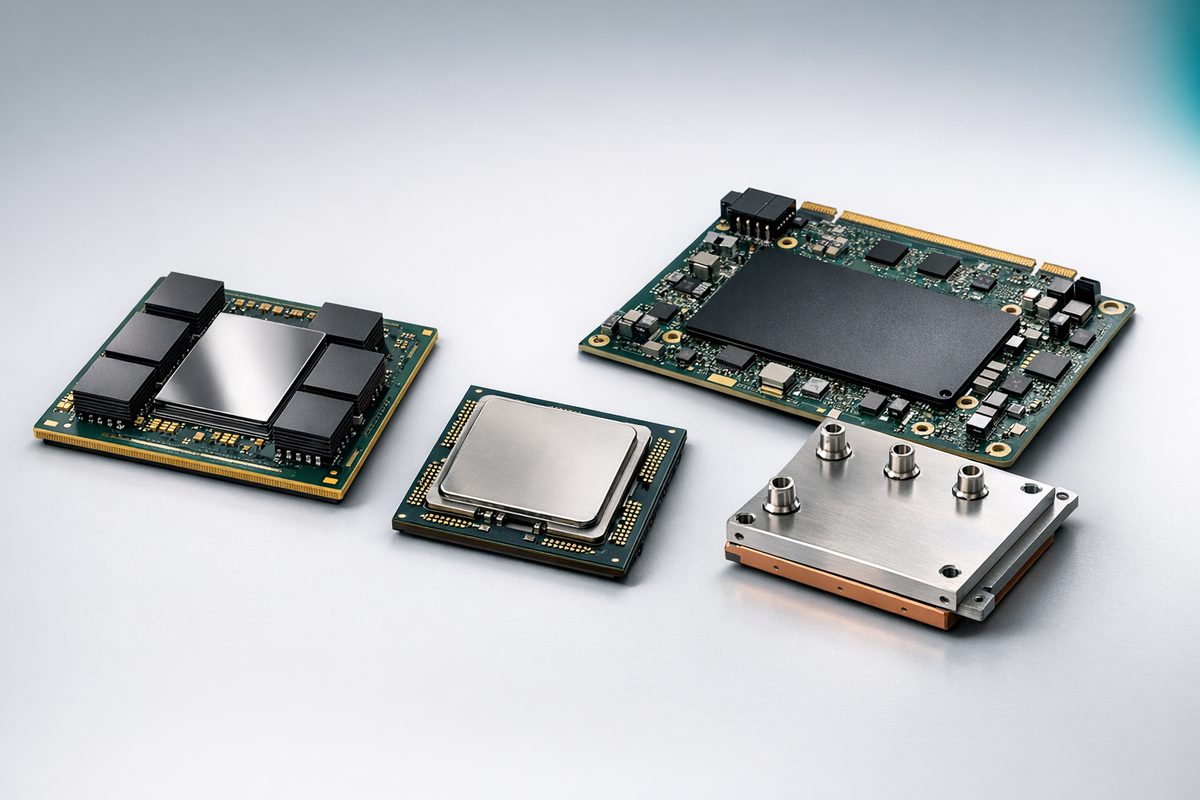
| Processor | Role & trend | Performance & cost | Volume | Supply landscape |
|---|---|---|---|---|
| CPU / MPU | Master controller for scheduling and general compute; becoming the orchestrator for AI agents. RISC-V expanding into servers; stronger concurrency and RAS. | x86 leads single-core performance; ARM leads performance per watt with flexible, lower-cost licensing. The CPU accounts for 43–90% of end-to-end AI inference latency. | Hundreds of millions of units a year across PCs and servers. | Domestic CPUs substitute in mid- to low-end servers, PCs and industrial terminals: ARM-based Kunpeng and Phytium, x86-licensed Hygon and Zhaoxin. |
| GPU | Primary engine for AI training and inference; competition shifting to cluster-level interconnect, software and token cost. | Far higher TFLOPS than CPUs and NPUs. High-end AI GPUs cost tens of thousands of dollars each and pair with CPUs at 1:1 to 1:2. | Tens of millions of units a year, growing fast. | Jingjia Micro, Biren, MetaX, Moore Threads and Huawei Ascend in batch deployment for inference and smart cockpits, using chiplets to offset process-node limits. |
| NPU | Edge and cloud inference; 3D stacking to break the memory wall; on-device large models. | Much higher efficiency than CPUs and GPUs at the same power; integrated as an SoC IP core for lower cost, heat and battery drain. | The largest AI accelerator category — tens of billions shipped in phones, cars and AIoT. | Huawei, Rockchip, Allwinner and Horizon Robotics ship 550M+ edge-AI SoCs a year, positioned against Qualcomm and Apple. |
| NP · DPU | The data center's "third chip": offloads networking, storage and security from the CPU and accelerates AI clusters via RDMA at 400G/800G. Evolving from pipelined NPs to ARM cores plus accelerators, with RISC-V longer term. | Higher packet-processing efficiency than CPUs. A DPU costs about $15,000 versus about $8,000 for an NP, but cuts power by about 30% over 5 years for lower TCO. | — | NP: Marvell, Microchip. DPU: NVIDIA, Intel, AMD; Corigine, Yusur, NebulaLink and others in China. |
| PowerPC | High-reliability embedded computing in automotive, industrial control and aerospace/defense; heterogeneous multi-core and functional safety. | Valued for deterministic behaviour and reliability rather than peak compute; higher licensing cost and low volumes. | 15–20-year product lifecycles. | Chinese players localize design, manufacturing and packaging, substituting for IBM, NXP (Freescale) and AMCC. |
| TPU | Specialized for large-model training and inference; CPO-based co-packaged optics and extreme efficiency. | Systolic arrays with TF32/BF16/INT8 mixed precision and high-speed torus interconnect; large clusters can outperform general-purpose GPUs in aggregate. | — | Google relies on TSMC 3/2 nm and Broadcom/Intel packaging, diversifying with Samsung dies. Chinese vendors have taken designs from architecture to tape-out and mass production. |
GPUs and NPUs are moving to 3 nm with HBM penetration above 90%; chiplet packaging and compute-in-memory are the main paths through the memory wall. Domestic chips close the node gap through mature-process optimization and heterogeneous architectures, such as VisionStar's GP-XPU and Rockchip's three-level cache design.
Representative supplier strengths vary by product segment and application.
| Portfolio cluster | Representative components | Key applications | Representative supply capabilities |
|---|---|---|---|
| Discrete Semiconductors | MOSFETs, IGBTs, diodes and thyristors | Consumer, EV, industrial and AI infrastructure | Broad device choice, fast delivery, local support and compatible alternatives |
| Power & Battery | PMIC/PMU, BMS, chargers, power modules, VRM and PSU | Consumer, automotive, industrial, AI and energy systems | Power conversion, sequencing and protection with digital control support |
| ICs, Memory & AI Compute | Analog/mixed-signal ICs, MCU/SoC, DSP/FPGA, DRAM/Flash and AI processors | Computing, communications, automotive, IoT and AI data centers | Application design and co-development; localization varies by segment |
| Sensors & Optoelectronic Systems | MEMS, magnetic/flow and optical sensors; CIS, ToF, lens engines and displays | Consumer, automotive, industrial, medical and imaging | Miniaturized sensing, customization and optics-to-processing design |
| Passive Components | Resistors, capacitors, inductors, ferrite beads and thermistors | Consumer, AI servers, automotive, industrial and medical | Material-to-device coverage, high-frequency stability and reliability |
| RF & Wireless | FEMs, filters, antennas, NFC/RFID and UWB | Consumer, telecom, automotive and IoT | FEM/filter integration, localized manufacturing and fast delivery |
| Electromechanical Components | Connectors, high-speed cables, acoustics, haptics, motors and PCB/FPC | Consumer, AI servers, automotive, industrial and medical | Customization, localized capacity and application engineering |
| Optical Communication | InP/TFLN/SiPh materials, lasers, optical engines, transceivers, DSP and passive optics | Data centers, AI clusters and telecom networks | Packaging, coupling and fiber delivery; high-end upstream chips remain import-dependent |
Qualified suppliers, compatible alternatives and second sources — matched to your roadmap, cost targets and risk profile.